-
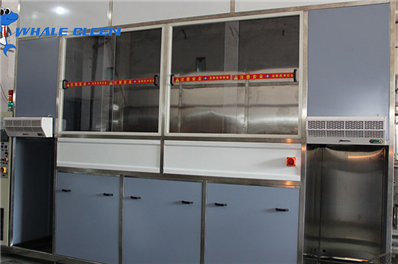 Elevating Industrial Seal Performance and Lifespan through Ultrasonic Cleaning
Cleaning industrial seals is a pivotal process that holds the key to improving their sealing performance and overall lifespan. The utilization of ultrasonic cleaning machines to eliminate contaminants and particles from the metal surfaces of industrial se
-
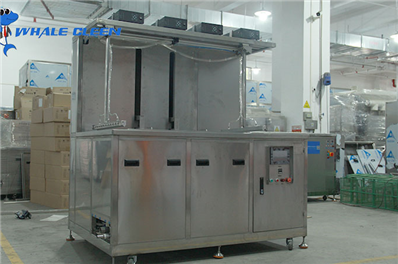 Optimizing Transducer Voltage in Ultrasonic Cleaning Machines
Ultrasonic cleaning machines are widely utilized in various industries for their efficacy in removing contaminants from surfaces. The voltage applied to the transducer, a crucial component responsible for converting electrical energy into mechanical vibra
-
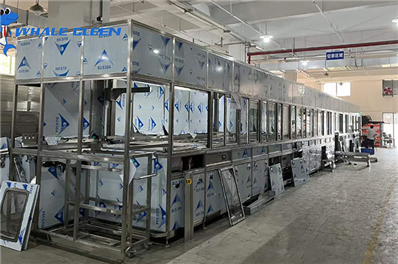 Exploring Maximum Temperature in Ultrasonic Cleaning Machines: Factors, Limits, and Control
Ultrasonic cleaning machines are essential equipment in various industries, offering efficient and thorough cleaning solutions. Understanding the temperature considerations within these machines is crucial for optimizing their performance and ensuring the
-
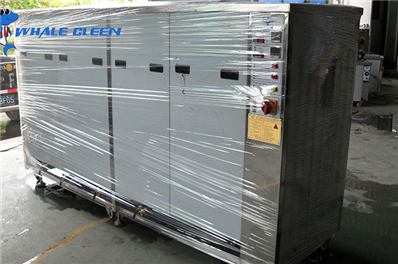 Revolutionizing Cleaning for Tomorrow: The Innovative Frontier of Ultrasonic Cleaning Devices
In the rapidly advancing landscape of technology, cleaning processes are not left behind. Ultrasonic cleaning devices, as pioneers in the cleaning domain, are leading the way with their innovative and efficient approach. This article will delve into the c
-
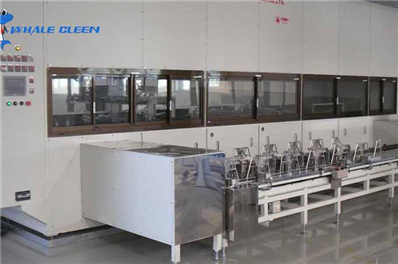 Same Ultrasonic Cleaning, Why Are Some Aerospace Fastener Yield Rates So Much Higher?
In aerospace manufacturing, few quality metrics are as unforgiving as fastener cleanliness. A single micro-fastener — a titanium alloy bolt, a high-strength steel screw, a threaded insert — can carry cutting fluids, lapping compounds, or microscopic metal
-
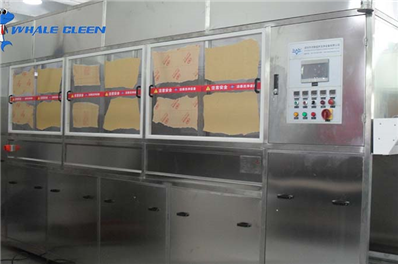 Ultrasonic Cleaning Machine: Solving the Batch Cleanliness Inconsistency Crisis in Aerospace Fastener Manufacturing
In aerospace manufacturing, a single contaminated fastener can compromise an entire assembly. Threaded surfaces trap machining oils, metal chips, and microscopic particulates that, if not completely removed, directly affect torque values, joint integrity,
-
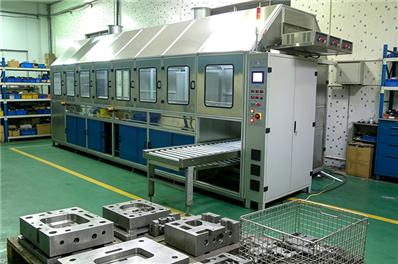 No Harsh Chemicals? How to Achieve Micron-Level Cleanliness for Nickel-Plated Substrates
You've dialed in the nickel plating bath chemistry. The temperature is right, the current density is optimized, and the dwell time is precisely controlled. Yet the plating still blisters. The cross-hatch test fails. The adhesion just isn't there.T
-
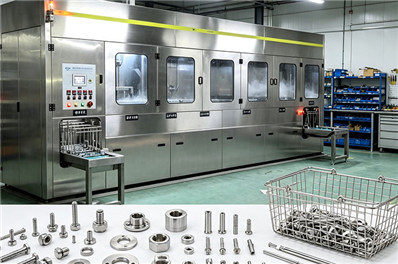 Breaking the Cleaning Bottleneck in Nickel and Gold Plating Lines with Whale cleen Ultrasonic Technology
In high-value surface finishing shops, nickel and gold plating lines demand the highest levels of surface cleanliness. A single fingerprint, a microscopic film of stamping oil, or a speck of polishing compound left on a component will manifest as blisteri
-
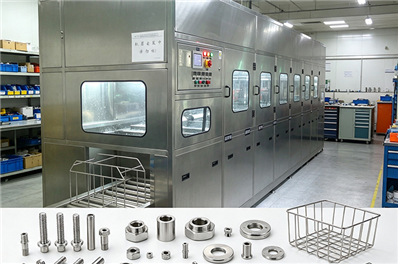 Ultrasonic Cleaning Machine: Why Disassemble Molds When You Can Clean Carbon Deposits in Minutes?
In industrial manufacturing, few maintenance tasks are as time-consuming and costly as mold cleaning. Production managers know the drill all too well: shutdown the line, wait for the mold to cool, disassemble every component, scrub stubborn carbon deposit
-
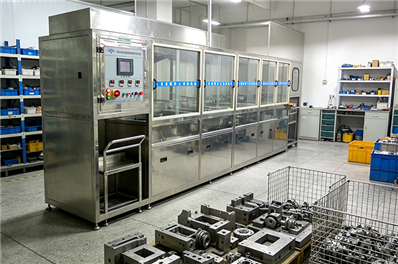 One Ultrasonic Machine, Three Critical Cleaning Tasks – Can It Really Handle Silicon Material, Solar Cells, and Terminal Blocks in One Go?
In photovoltaic manufacturing, semiconductor fabrication, and electronic component production, cleaning is never a single-step affair. Different materials, different contaminants, and different surface sensitivities demand different approaches – or so the
-
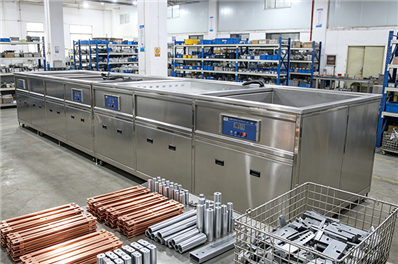 Automotive Parts Cleaning Equipment Manufacturer: Selecting the Right Ultrasonic Cleaning Partner
In the automotive industry, from engine components and transmission parts to braking systems and chassis elements, the cleanliness of parts is directly linked to performance, reliability, and safety. Manufacturing processes like machining, grinding, and s
-
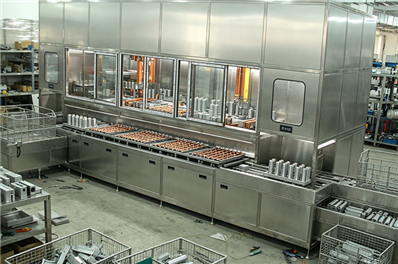 The Milling Cutter & Tap Cleaning Secret: Why Ultrasonic Outperforms Manual Methods
In any precision machining environment, the cleanliness of cutting tools like milling cutters and taps is directly linked to part quality, tool life, and production stability. Yet, the most common cleaning method—manual scrubbing with brushes, cloths, or